Agineer Home

Category

Precision Agriculture

8 articles

Cultivating Allies Underground: How Microbial Engineering Is Transforming American Soil Science

Cultivating Allies Underground: How Microbial Engineering Is Transforming American Soil Science

Biotech firms across the United States are moving beyond synthetic fertilizers and pesticides, instead engineering complex communities of beneficial microorganisms designed to strengthen crops from the roots up. The science of constructing reproducible microbial consortia is advancing rapidly, but significant engineering and regulatory hurdles remain. Early field data from American farms suggest the payoff could be substantial.
Reading the Heat: How Infrared Technology and Machine Learning Are Giving Farmers an Early Warning Against Thermal Crop Stress

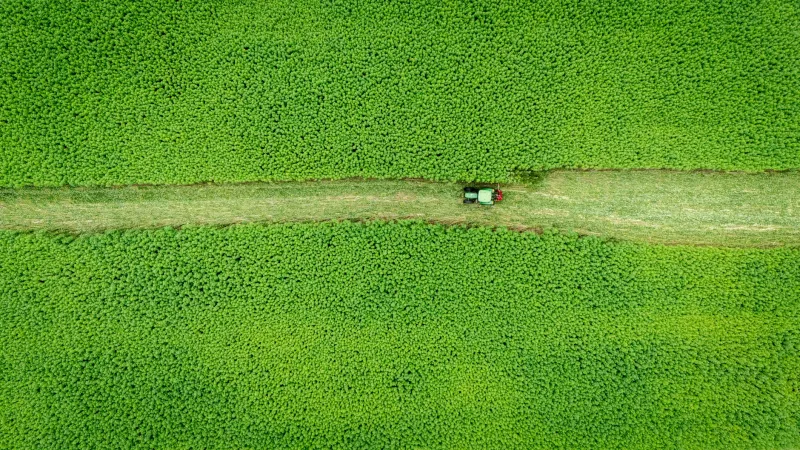
Reading the Heat: How Infrared Technology and Machine Learning Are Giving Farmers an Early Warning Against Thermal Crop Stress

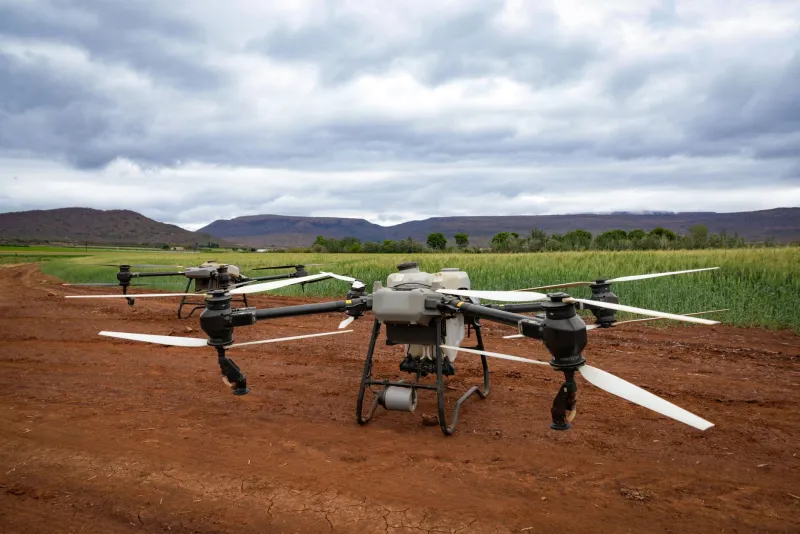
As heat events grow more frequent and more severe across American agricultural regions, the window between the onset of thermal stress and irreversible crop damage is narrowing. Engineers are responding with integrated systems that combine airborne infrared sensors, ground-based thermal cameras, and machine learning models capable of flagging heat stress before visible symptoms appear. The result is a new class of early-warning infrastructure that is changing how growers in high-risk regions man

Measuring What the Earth Holds: Building the Technology Stack for Agricultural Carbon Verification

Measuring What the Earth Holds: Building the Technology Stack for Agricultural Carbon Verification

As voluntary carbon markets expand their reach into American agriculture, the credibility of soil carbon credits depends entirely on the quality of the measurement systems behind them. A new generation of startups is assembling sophisticated technology stacks—combining spectroscopy, satellite imagery, and networked sensors—to give carbon buyers and regulators the verified data they require. The engineering choices made now will determine whether agricultural carbon credits become a durable finan

Watts and Yields: Confronting the Electricity Crisis at the Heart of Vertical Farming

Watts and Yields: Confronting the Electricity Crisis at the Heart of Vertical Farming

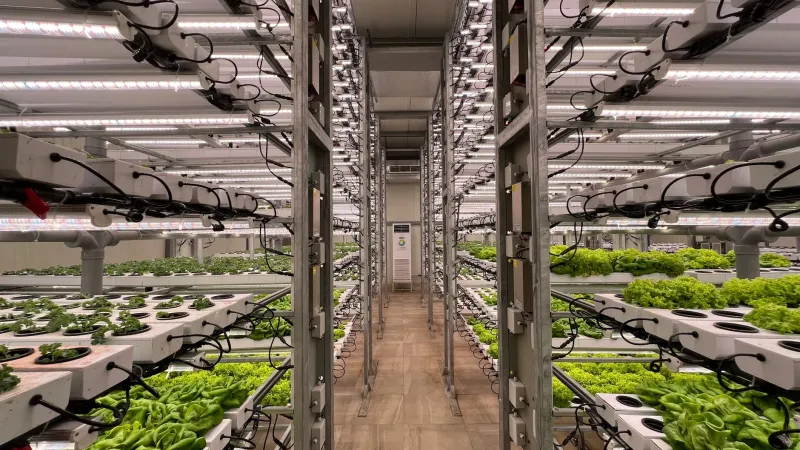
Vertical farming promises year-round harvests independent of weather and geography, but its voracious appetite for electricity poses a fundamental engineering obstacle. From next-generation LED arrays to waste heat recovery systems, the industry is racing to reconcile its energy burden with the economics of scalable food production.

Controlled Skies, Real Yields: The Engineering Case for Indoor Agriculture at Scale

Controlled Skies, Real Yields: The Engineering Case for Indoor Agriculture at Scale

Vertical farming promises year-round yields, water efficiency, and location independence—but can the economics and engineering actually support feeding a nation of 330 million? Agineer examines the technology, the trade-offs, and what the next decade may hold for controlled-environment agriculture in the United States.

Precision at the Molecular Level: Why CRISPR Is Redefining Crop Engineering for American Farmers

Precision at the Molecular Level: Why CRISPR Is Redefining Crop Engineering for American Farmers

As traditional GMO crops face ongoing regulatory and consumer headwinds, CRISPR-based gene editing is emerging as a fundamentally different approach to crop improvement—one with distinct scientific mechanisms, a shifting regulatory framework, and potentially transformative applications for drought resistance, disease tolerance, and yield optimization across US agriculture.

From Guesswork to Gigabytes: How Smart Soil Sensors Are Rewriting the Rules of Irrigation

A new generation of IoT-connected soil sensors, paired with machine learning algorithms, is enabling US farmers to make irrigation decisions with a level of precision that was unimaginable a decade ago. Across the corn and wheat belts, mid-sized operations are reporting water savings of up to 40 percent — and agronomists say the technology has finally matured enough to deliver on promises that once seemed premature. This is the story of how data is displacing instinct on the American farm.